
Intersection of arts therapies and other mental health professions
by Athina Copteros (Dance Movement Therapy)
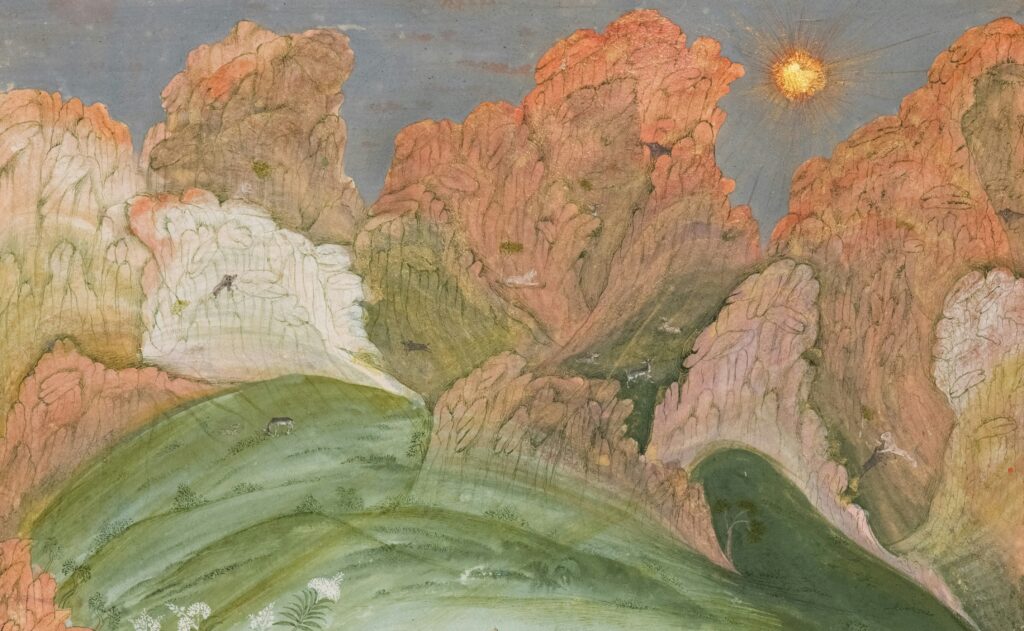
Transdisciplinarity supports investigations that acknowledge life on this planet as complex bio-physical-social systems. My transdisciplinary PhD in water resources management and dance movement therapy focused on relationality between people and ecology, with a focus on relational and generational trauma – linked to a history of land dispossession. It included engagement with complex social-ecological systems, ecopsychology, embodiment, enactment and the phenomenological standpoint of interconnectedness.
Meaning-making in dance movement therapy occurs from interactive movement between client and therapist to form a kinaesthetic intersubjectivity that does not require words. Intersubjectivity, an embodied process that arises in the moment-to-moment interaction of people, generates meaning. Dance movement therapy respects the lived body as an active source of knowledge production. The importance of the interrelationship of ‘bodymind’ and how it affects people psychologically, physically and socially, is now acknowledged in various psychotherapeutic disciplines and by various institutions that support people’s mental health.
The exchange and connection between arts therapies and other mental health professions takes on different forms: it depends on the people who are in these roles and the needs of the clients.
Below, I offer brief reflections of some of my work experiences as a dance movement therapist and the intersection with other mental health professions.
“Transdisciplinarity supports investigations that acknowledge life on this planet as complex bio-physical-social systems.”
Working collaboratively as part of a mental health care team makes so much sense. From my first work experience at an organisation dedicated to black minority ethnic women, it was not possible to imagine that dance movement therapy alone could contain the full extent of care needed. I worked with social workers, work skill trainers, massage therapists, and community care workers as part of the range of therapeutic care available.
Working at a family counselling centre, the social workers and manager of this organisation carried the biggest responsibility. They worked within an under-resourced, gruelling system of caring for the most vulnerable. I arrived once a week and ran a therapeutic moving space for women and usually their babies and children. The offering was to move and express their experiences without words. The social workers looked like they would benefit from sessions themselves but the funding didn’t extend to working with the permanent staff.
At a psychiatric hospital I again experienced the need for the nursing staff to be offered similar experiences. Nurses find themselves at the very bottom of a ‘chain of command’, even in the most open minded institutions. They supported my ‘alternative’ therapeutic approach – that included props and movement – but never quite understood it. The occupational therapists at the hospital sometimes sat in on sessions, to get a sense of what I did. The staff knew it was beneficial but it was also confronting for them. Tracking the body is generally outside of the traditional mental healthcare frame. More open sharing amongst healthcare professionals would go a long way to building a more engaged and transparent team.
I worked at an addiction care clinic, a dual diagnosis facility. As part of the multi-disciplinary clinical team, we ran a comprehensive primary care programme consisting of a variety of relevant group therapies, intensive individual counselling, written work and psycho-educational lectures. Conjoined sessions with partners and families were a critical part of the programme. I used a variety of therapeutic approaches including psychotherapy, ecotherapy, expressive arts therapy, mindfulness-based practice and cognitive behavioural therapy. In this unit, the other mental health professionals would see me go off every week to run groups that included a movement based ecotherapy experience in the gardens of the Clinic. They themselves did not experience the therapeutic benefits of creative expression and ecotherapy. Most other healthcare professionals generally ‘watch’ what we do and admire it, but do not partake. I encouraged movement and expression in our own multi-disciplinary team experiences but healthcare professionals can be very guarded and hesitant. This limits the building of understanding and embodying the practice within the whole team.
“Anyone in a mental health profession is following a drive to healing others and in essence, themselves.”
I currently work for a school, supporting vulnerable children. The support of teachers and funders is critical to build understanding for the work. As therapists we benefit from institutional support, particularly in working with children and dealing with the risks they are exposed to.
Anyone in a mental health profession is following a drive to healing others and in essence, themselves. This leaves us all vulnerable and ideally open to each other’s journeys and skills. It has been lonely at times being an arts therapist. The simple experience of embodied presence can require so much from us in a world that seems to be permanently at war. There is much to share and learn about as we open our hearts to the human experience, ideally together.
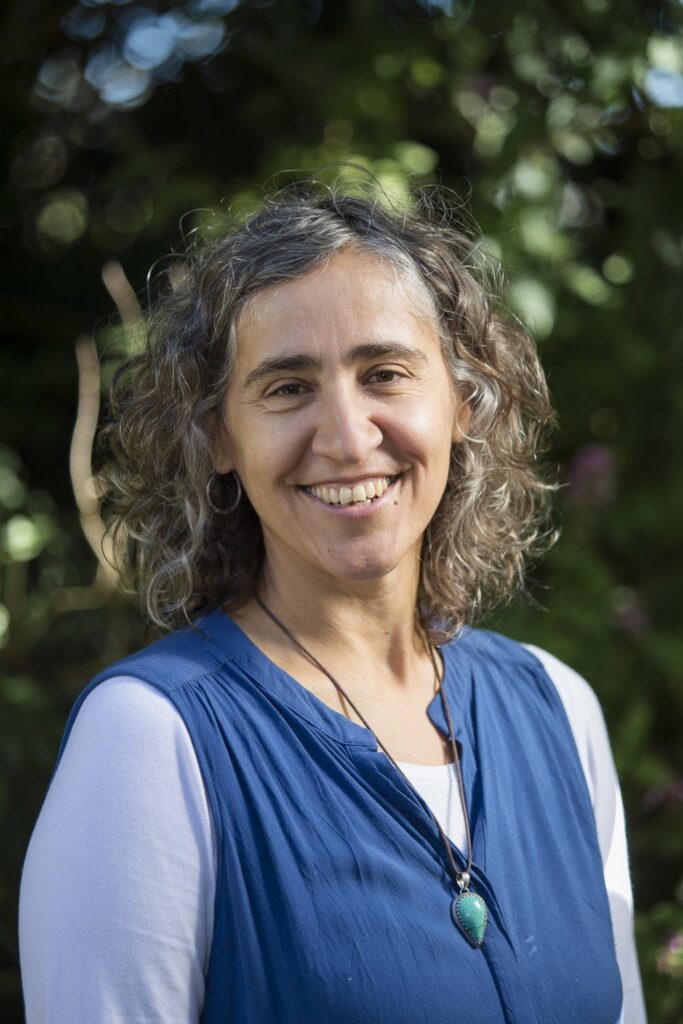
ATHINA COPTEROS
Athina Copteros is a dance movement psychotherapist, transdisciplinary environmental researcher and practitioner. She works at the art-science-embodiment interface, focusing on human and more-than-human environmental relations, learning and affect effects. Her approach is trauma-informed and draws on transpersonal psychotherapy, embodiment, enactment and the phenomenological standpoint of interconnectedness. She works with a range of clients in individual, couple, family and group therapy. Her psychotherapy practice is influenced by principles from humanistic and psychodynamic approaches to psychotherapy. The theoretical underpinning of her work is based on a model of embodied and enacted relational psychotherapy and she is informed by an ecopsychological perspective, which recognises that the individual body and the wider body of the world are intimately connected.
Previous Article