Teachings In Practice: Arts Therapies training institutions
Training to be an Arts Therapist in South Africa has become easier over the last few years. There is a new Masters in Art Therapy at the University of Johannesburg, that launched at the beginning of 2022. The Masters in Drama Therapy has been offered at The University of the Witwatersrand for over 5 years, while the University of Pretoria has been training Music Therapists for over 20 years.
University of Johannesburg: Art Therapy
The journey starts with an Honours programme and continues with a Masters in Art Therapy. The Honours programme equips students with an intermediate knowledge of Art Therapy theories and research methodologies, as they relate to eventual practice as an Art Therapist (on completion of a Masters in Art Therapy). The purpose of the Masters programme is to develop students’ clinical practice and critical knowledge, skills, and academic research capabilities within the domains of the Art Therapy discourse, while promoting creative and imaginative thinking in the visual arts, psychological, psychosocial and therapeutic industries. The Masters programme will equip students with advanced knowledge of Art Therapy theories, research methodologies and outputs, and professional therapeutic and clinical skills.
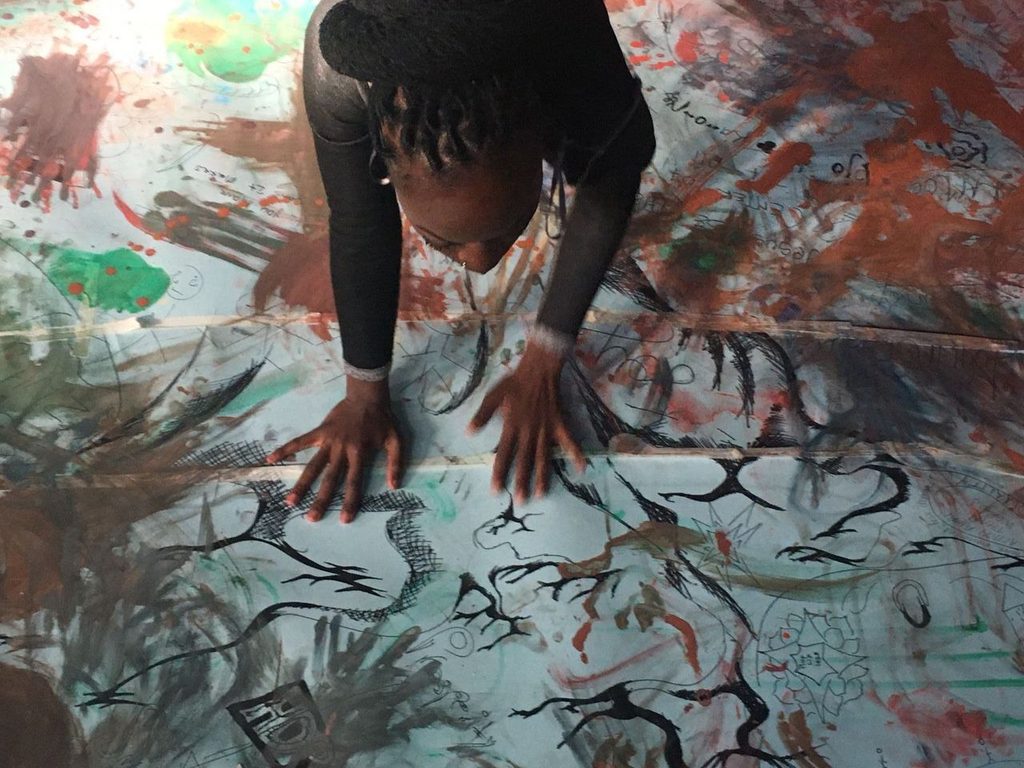
The programme facilitates the process of exploration and critical inquiry, on both an internal and external level, to understand how meaning is created through art making, which can then be applied in a clinical context. The programme facilitates clinical placement and supervision aligned to ethical and professional standards that leads to required registration, as outlined by the appropriate professional governing Boards of the Health Professions Council of South Africa (HPCSA) and South African National Art Therapy Association (SANATA). In keeping with the University’s focus on promoting African scholarship, this programme addresses the need for academically adept, discipline-sophisticated, and civic-minded graduates who are able to complete this Masters programme and contribute to the demand for therapists as well as the research outputs for the profession and University.
University of the Witwatersrand: Drama Therapy
Drama for Life’s (DFL) Drama Therapy programme, founded on principles of relational humanism and liberation pedagogies, is an integrated approach to Drama Therapy within the context of Africa. The programme consists of introductory, intermediate, and advanced modules that focus on the contemporary body of Drama Therapy theories, methods of clinical, community, and education-based practice and assessment within a practice-based research framework. The course aim is to work toward integrative human rights and a social justice-based model of Drama Therapy in Africa.
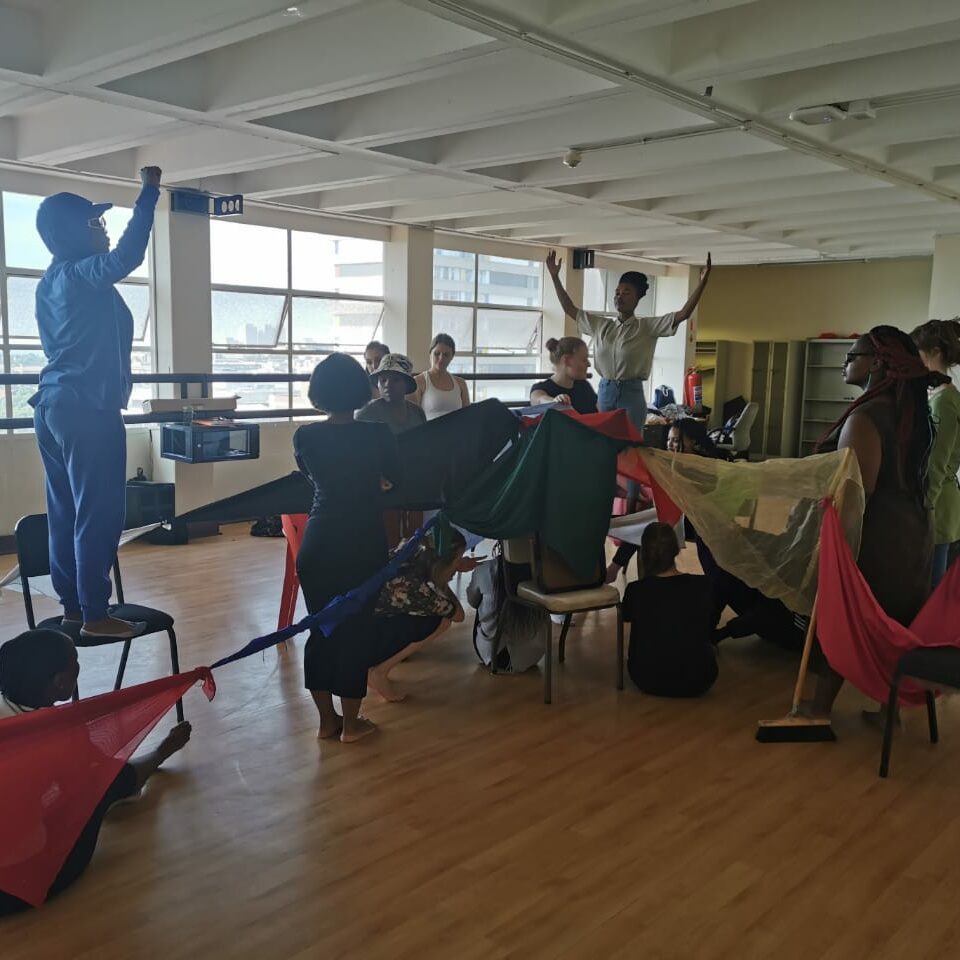
The goal of this professional integrated Drama Therapy education and training is to grow compassionate, vulnerable, wholehearted, resilient and relational psychotherapists; psychotherapists who grasp the embodied power of art as the means of healing, and arts as a means toward healing; critically engaged psychotherapists who understand the socio-political and cultural implications of the construction of a therapeutic alliance; and psychotherapists who embody principles of ‘Ubuntu’.
University of Pretoria: Music Therapy
The Music Therapy masters programme at the University of Pretoria aims to equip future music therapists with the necessary knowledge, therapeutic musical skills and background of various therapeutic schools of thought and approaches.
This course is structured in such a way to give students access to various music therapy approaches such as Creative Music Therapy, Analytical Music Therapy, Neurological Music Therapy, Guided Imagery and Music, Community Music Therapy and more. Focusing on clinical, academic and research skills throughout the course offers students the opportunity to explore multiple facets of what the profession has to offer post graduation.
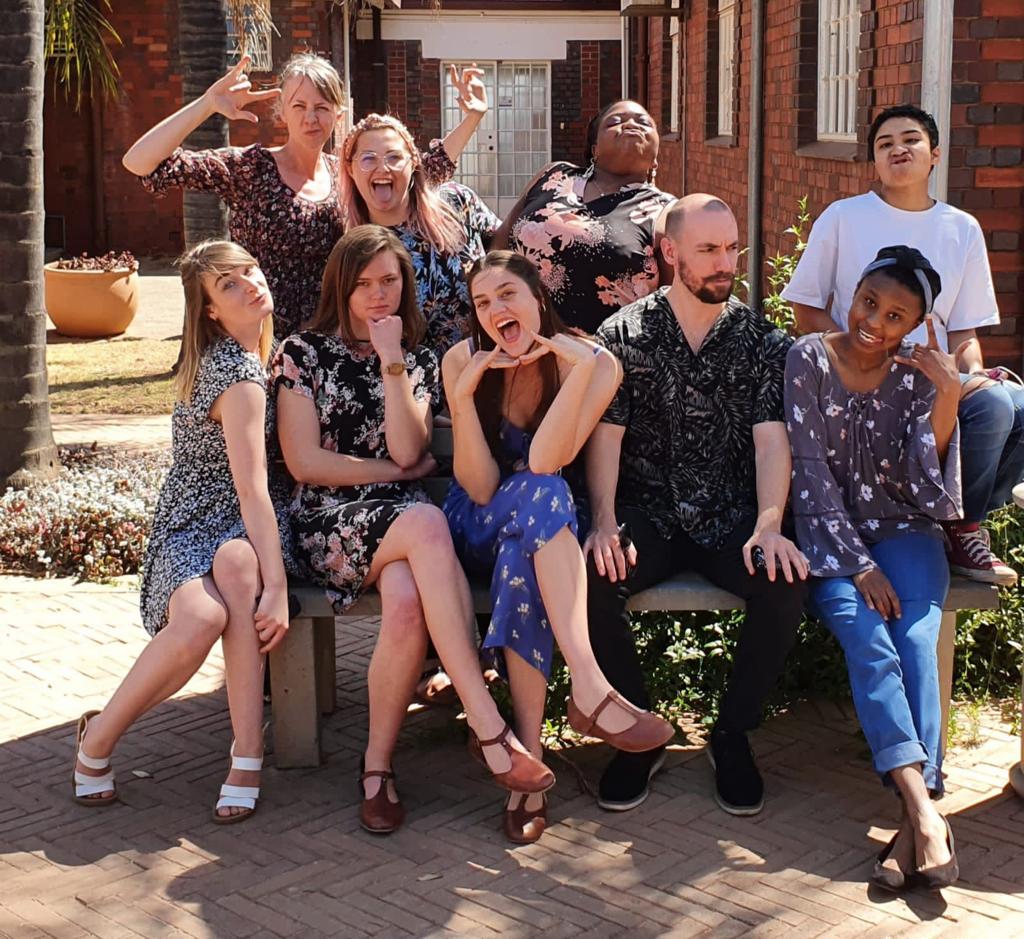
With the goal of better understanding how music therapy fits within the South African context, students are encouraged to engage in critical thinking and critiquing throughout the duration of the training and beyond. The two year training programme offers 3 blocks per annum focussing on various aspects of the different Music therapy approaches. All students receive continuous clinical supervision for the 1000 hours of clinical work needed for HPCSA registration. Students are encouraged to work closely within a multidisciplinary team with the healthcare professionals in the various clinical placements. The programme focuses on cultivating creative, critical thinkers that practice within the ethical and professional standards as outlined by the Health Professions Council of South Africa (HPCSA).